Obama's Candid Talk: Navigating Trump, Race, and the "Clown Show" in Modern Politics
In an increasingly polarized political landscape, moments of candid and unfiltered dialogue are rare and invaluable. Former President Barack Obama recently provided just such a moment, sitting down with progressive commentator Brian Tyler Cohen on his popular
Brian Tyler Cohen Podcast, "No Lie with Brian Tyler Cohen." This interview transcended typical political soundbites, offering listeners a deep dive into Obama's concerns about the state of American democracy, the corrosive effects of partisan division, and the alarming erosion of civility in public discourse. From directly condemning racist rhetoric to lamenting the "clown show" nature of current politics, Obama's insights serve as a potent reminder of the challenges ahead and the enduring principles that must guide a functioning democracy. His choice of the
No Lie with Brian Tyler Cohen: Progressive Views, Real Talk platform underscored the importance of engaging with fact-based, progressive commentary in a media environment often saturated with disinformation.
The Brian Tyler Cohen Podcast: A Platform for Truth in Tumultuous Times
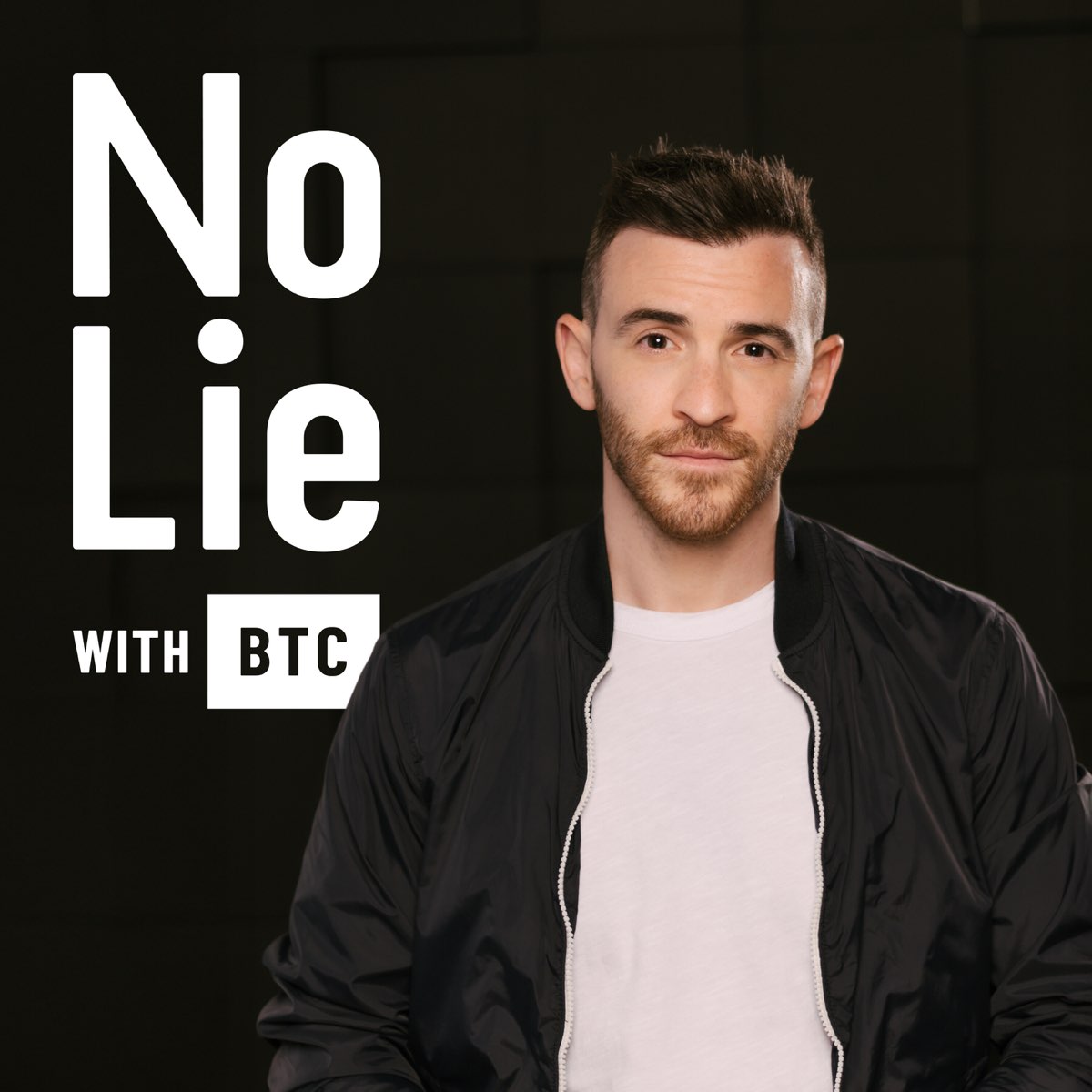
The choice of platform for such a significant interview is always telling, and Obama's decision to speak with Brian Tyler Cohen speaks volumes. The "No Lie with Brian Tyler Cohen" podcast has carved out a vital niche in the political media landscape, known for its commitment to progressive commentary, meticulous fact-checking, and refusal to engage in "bad faith talking points" or "disinformation." Hosted by the articulate and insightful Brian Tyler Cohen, the podcast brings listeners into the heart of political action, featuring interviews with major players and incisive analysis of the week's most important stories. In an era where trust in media is at an all-time low, the
Brian Tyler Cohen Podcast stands as a beacon for those seeking clarity and truth.
For a figure like Obama, whose legacy is intertwined with a commitment to reasoned debate and democratic norms, a platform dedicated to dismantling lies and promoting progressive values offers an ideal forum. Cohen's direct, no-nonsense approach and his substantial reach within the progressive community ensure that Obama's message would be heard by an engaged and receptive audience, hungry for substantive political discourse rather than mere partisan jabs. This interview reinforced the podcast's reputation as a go-to source for understanding complex political issues through a progressive lens, offering a valuable counter-narrative to the often chaotic mainstream news cycle. It highlights the power of independent media to host conversations that mainstream outlets might shy away from or dilute.
Obama Unfiltered: Confronting Racism and the "Clown Show" of Politics
One of the most striking moments of the interview came as Obama directly addressed a racist video shared by former President Trump, which grotesquely depicted Obama and former First Lady Michelle Obama as apes. His condemnation was unequivocal, not just against the specific act but against the broader pattern of dehumanizing rhetoric that has become alarmingly prevalent in contemporary politics. Obama articulated how such acts are not merely offensive; they are insidious attacks on the fabric of a diverse society, designed to sow division and undermine the shared humanity essential for democratic cooperation.
Beyond this specific incident, Obama painted a broader, bleak picture of the current political climate, famously characterizing it as a "clown show." This evocative phrase captures a widespread sentiment of exasperation with the performative, often absurd, nature of political discourse today. It speaks to a scenario where policy debates are sidelined for sensationalism, where truth is often sacrificed at the altar of partisan loyalty, and where serious national challenges are reduced to petty squabbles.
The "clown show" analogy isn't just a lament; it's a diagnosis. It points to several critical issues:
- Erosion of Substance: A focus on personality and outrage rather than thoughtful policy solutions.
- Disregard for Facts: The proliferation of misinformation and the diminishing value placed on objective truth.
- Breakdown of Civility: The increasing difficulty of engaging in respectful disagreement or finding common ground.
- Diminished Institutions: When political processes become a spectacle, public trust in governing institutions inevitably wanes.
Obama's candid assessment, delivered with his characteristic gravitas, underscores the urgency of addressing these systemic issues before they irrevocably damage the democratic process. His words serve as a powerful call to citizens and leaders alike to demand more from their political system than mere entertainment or divisive rhetoric.
A Call to Democrats: Vigorous Debate Within Democratic Norms
Amidst his critique, Obama offered crucial advice to Democrats: engage in vigorous debate, but never abandon democratic norms. This counsel is particularly poignant given the temptation in partisan warfare to "fight fire with fire," often at the expense of established rules and traditions. Obama emphasized that upholding norms is not a sign of weakness, but rather a fundamental strength and a prerequisite for a healthy democracy.
What exactly are these "democratic norms"? They encompass a range of behaviors and unwritten rules that allow a democracy to function smoothly, even amidst intense disagreement. These include:
- Respect for the Rule of Law: Adhering to legal processes and judicial decisions.
- Peaceful Transfer of Power: Accepting election results and facilitating a smooth transition.
- Fact-Based Discourse: Basing arguments on verifiable information, not pure fabrication.
- Respect for Institutions: Valuing and protecting the integrity of government bodies, the press, and the judiciary.
- Civil Disagreement: The ability to debate fiercely without resorting to personal attacks or delegitimization of opponents.
- Compromise and Negotiation: Recognizing that not all political goals can be fully achieved, and finding common ground is essential for progress.
Obama's message is a strategic one: while passion and conviction are necessary, abandoning these norms risks dragging the political system further into chaos, potentially mirroring the very tactics one opposes. He implicitly argued that the high road, while often more challenging, is ultimately the only sustainable path for preserving democratic governance. This advice is critical for any political movement navigating an aggressive and often norm-shattering opposition. It requires a delicate balance of firmness in principle and flexibility in process, a commitment to winning not just elections, but also the long-term battle for the soul of democracy.
Beyond the Headlines: Immigration, Rule of Law, and the Universe
While the core of the interview revolved around race and the political climate, Obama also touched upon other critical issues, demonstrating the breadth and depth of the discussion on the
No Lie with Brian Tyler Cohen: Progressive Views, Real Talk podcast. Topics such as Immigration and Customs Enforcement (ICE) operations highlighted the complexities of balancing national security, humanitarian concerns, and the rule of law. Obama, drawing from his own presidency, would have offered nuanced perspectives on the challenges of managing border security and immigration policy while upholding human dignity. Discussions around the "rule of law" further reinforced his overarching theme of maintaining democratic principles, exploring how respect for legal frameworks is essential for a just and stable society.
Perhaps surprisingly, the conversation also veered into the topic of extraterrestrial life. This brief foray into the unknown, while seemingly a lighter moment, could also symbolize Obama's desire to look beyond immediate political squabbles towards broader human interests and mysteries, reminding listeners that despite the intensity of political battles, there is a larger world and universe to contemplate. It also showcases Brian Tyler Cohen's skill in navigating serious political discourse with moments of intriguing digression, demonstrating the versatility of the
Brian Tyler Cohen Podcast as a platform for diverse discussions. This willingness to explore topics outside the typical political playbook adds another layer of authenticity and appeal to the program.
Conclusion: The Enduring Relevance of Principled Leadership
Barack Obama's interview on the
No Lie with Brian Tyler Cohen: Progressive Views, Real Talk podcast was more than just a political discussion; it was a potent call to action and a reflection on the foundational principles of democracy. His forthright condemnation of racist rhetoric, his lament about the "clown show" of modern politics, and his powerful advice to Democrats to fight vigorously without abandoning norms, collectively paint a picture of a nation at a critical crossroads. The interview showcased the vital role of platforms like the
Brian Tyler Cohen Podcast in fostering honest, fact-driven conversations that cut through the noise and disinformation. As citizens, upholding the democratic norms Obama champions—engaging in respectful debate, valuing facts, and demanding substance from our leaders—is paramount. In these challenging times, Obama's insights serve as a compass, guiding us toward a more principled and productive political future.